Discover how technology is converting healthcare services through telemedicine, AI, digital records, and enhanced patient care outcomes.
It was 3:00 AM in a busy hospital, and a patient in the intensive care unit was in serious trouble. On the outside, he looked completely stable, but a dangerous infection was quietly beginning to set in. In the past, a nurse might not have noticed the danger until the patient's condition suddenly crashed hours later.
But tonight, a smart computer tracking his vital signs caught a tiny, hidden change in his heart rate. The system instantly flashed an early warning alert on the nurse's station monitor. Because of that quick digital alert, the medical team administered life-saving treatment hours before physical symptoms appeared.
This is exactly how technology is improving healthcare. It turns medical centers into fast, smart, and safe networks where doctors can spot illnesses early, treat patients from home, and keep data secure.
Seeing Doctors from Home
You no longer have to travel far or sit in crowded waiting rooms just to see a doctor.
Video Appointments: Through video calls, you can talk to specialists from the comfort of your home, saving time and travel money. This is especially beneficial for people living in remote areas who need access to specialist care.
Smart Wearables: Devices like smartwatches can track your heart rate, sleep quality, or oxygen levels and send the data directly to your doctor. If the device detects an unusual pattern, it sends an early warning so you can get help before a minor issue turns into an emergency room visit.
Faster and Better Diagnoses
Technology helps doctors find illnesses much earlier and with fewer mistakes.
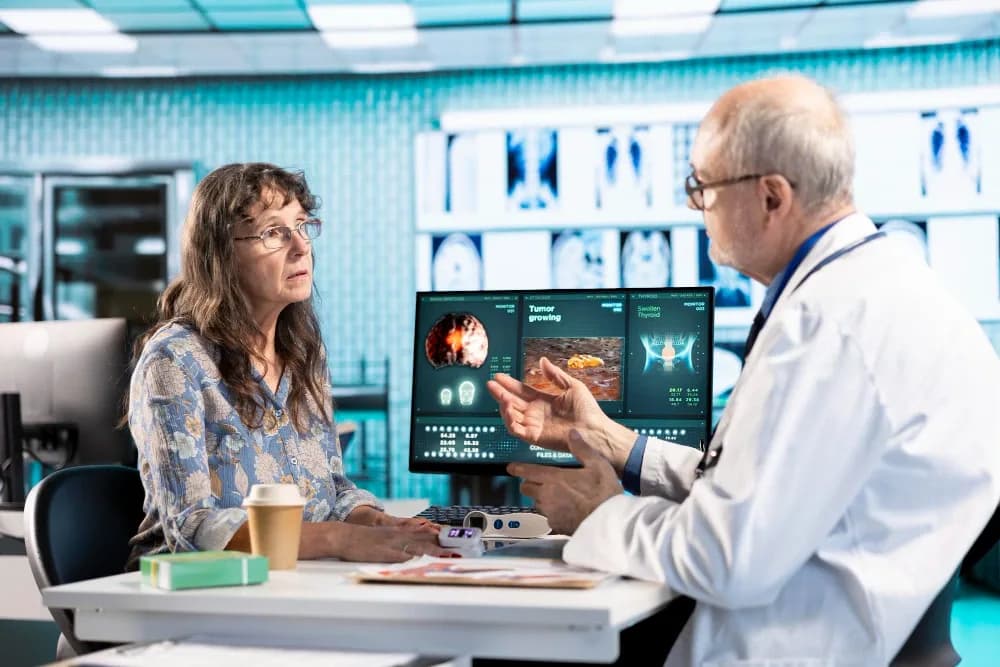
AI Assistants: Artificial Intelligence (AI) can look through X-rays, MRIs, and skin scans in seconds. It acts as a valuable second layer of analysis for doctors, spotting tiny health problems, like early signs of cancer or microscopic bone cracks, that a human eye might easily miss.
Smart Warnings: Hospital computers can continuously watch a patient's vital signs in the Intensive Care Unit (ICU). Smart software can analyze these numbers to warn nurses if a patient is about to get dangerously sick, giving the medical team valuable time to intervene before a patient's condition deteriorates.
All Your Records in One Place
In the past, your medical files were scattered across different clinics on paper. Now, everything is digital.
Digital Health Files: Doctors can instantly see your allergies, past medicines, surgeries, and test results on a secure screen. This complete view stops doctors from accidentally prescribing two medicines that should not be mixed together.
Easy Sharing: If you move to a new city or go from an emergency room to a family doctor, your files are shared safely in one click. You don't have to carry heavy folders of old X-rays or try to remember your exact medical history.
Keeping Hospitals Running Safely
Since hospitals rely heavily on computers, keeping those systems safe is just as important as medicine.
Fake Attack Drills: Tech teams run regular practice drills simulating cyberattacks or sudden power outages to ensure hospital networks are strong. These tests help ensure that hospital defenses remain effective against real cyber threats without disrupting patient care.
Safe Backups: Patient files are backed up securely online in isolated digital vaults. If a main hospital computer crashes or gets locked by a virus, doctors can instantly switch to the backup system, allowing them to view vital patient records and continue life-saving treatments without a single minute of delay.
Automated Pharmacy and Easy Prescriptions
Technology has made getting and taking your medicine much safer and completely stress-free.
Robotic Pill Sorting: Modern hospital pharmacies use robotic systems to sort and pack medications. These machines pick the exact dose with perfect accuracy, significantly reducing the risk of human sorting errors.
Smart Refill Alerts: Dedicated pharmacy apps automatically send alerts to your phone when it is time to take your pills. The system can even message your doctor to request a fresh prescription refill before your current supply runs out, ensuring you never miss a dose.
Conclusion
In the end, technology is not replacing the human care that doctors and nurses provide. Instead, it is giving them better, faster tools to do their jobs without mistakes or delays. By bringing healthcare into our homes, detecting illnesses earlier, and securing hospital systems, these smart tools ensure that help is always within reach. As technology keeps growing, it will continue to make healthcare simpler, safer, and more reliable for families all over the world.
Recommended For You
View All
OPD Cover Full Form in Health Insurance: Meaning & Benefits
Learn the OPD full form in health insurance, what OPD cover means, its benefits, coverage, claim process and key factors to check before buying.
KYC Full Form in Insurance: Rules, Documents & Process
KYC full form in insurance is Know Your Customer. Learn about KYC rules, required documents, verification process, benefits, and key requirements.

OD Full Form in Car Insurance: Coverage & Calculation
Learn the OD full form in car insurance, what Own Damage cover protects, how OD premium and claim amounts are calculated, and how OD differs from third-party insurance.